PART 1
—The wedding goes on, Mariana… but you will no longer be the bride.
Diego Arriaga said it softly, adjusting his luxury watch as if he were just changing the music at the reception and not shattering the woman who had stood by him for three years.
Mariana Robles stood before the mirror in an exclusive boutique in Polanco, wearing a handmade dress that cost over 2 million pesos. Twelve days remained until the wedding on Paseo de la Reforma, with business tycoons, politicians, and journalists invited.
But Diego didn’t look at her with love.
He looked at her with urgency.
—Camila is sick —he said—. She might have six months left. Her last dream is to marry me. You’re healthy, Mariana. Seriously, you can’t be this selfish.
Camila Ríos was his high school ex-girlfriend. The same one who left him when he had no power and returned just when Grupo Arriaga became one of the strongest businesses in Mexico.
—You want her to use my wedding? —Mariana asked.
—Don’t be dramatic. Everything is already paid for. We’ll say you had a medical crisis. Camila will wear a veil, and nobody will ask questions. Then, when she’s gone, you and I can do something private. I’ll make it up to you.
The employees lowered their eyes.
Mariana didn’t cry. She simply removed the veil with a calm that irritated Diego.
—Then send the dress to the hospital —she said—. Let your great love marry with my dignity intact.
Diego stood up, furious.
—If you walk out that door, you lose everything. My family, my support, my surname. You will never touch anything from the Arriagas again.
Mariana changed, leaving the dress on a chair as she walked toward the exit.
—Keep your surname. I never needed it.
Three days later, the chats of Mexican high society were ablaze.
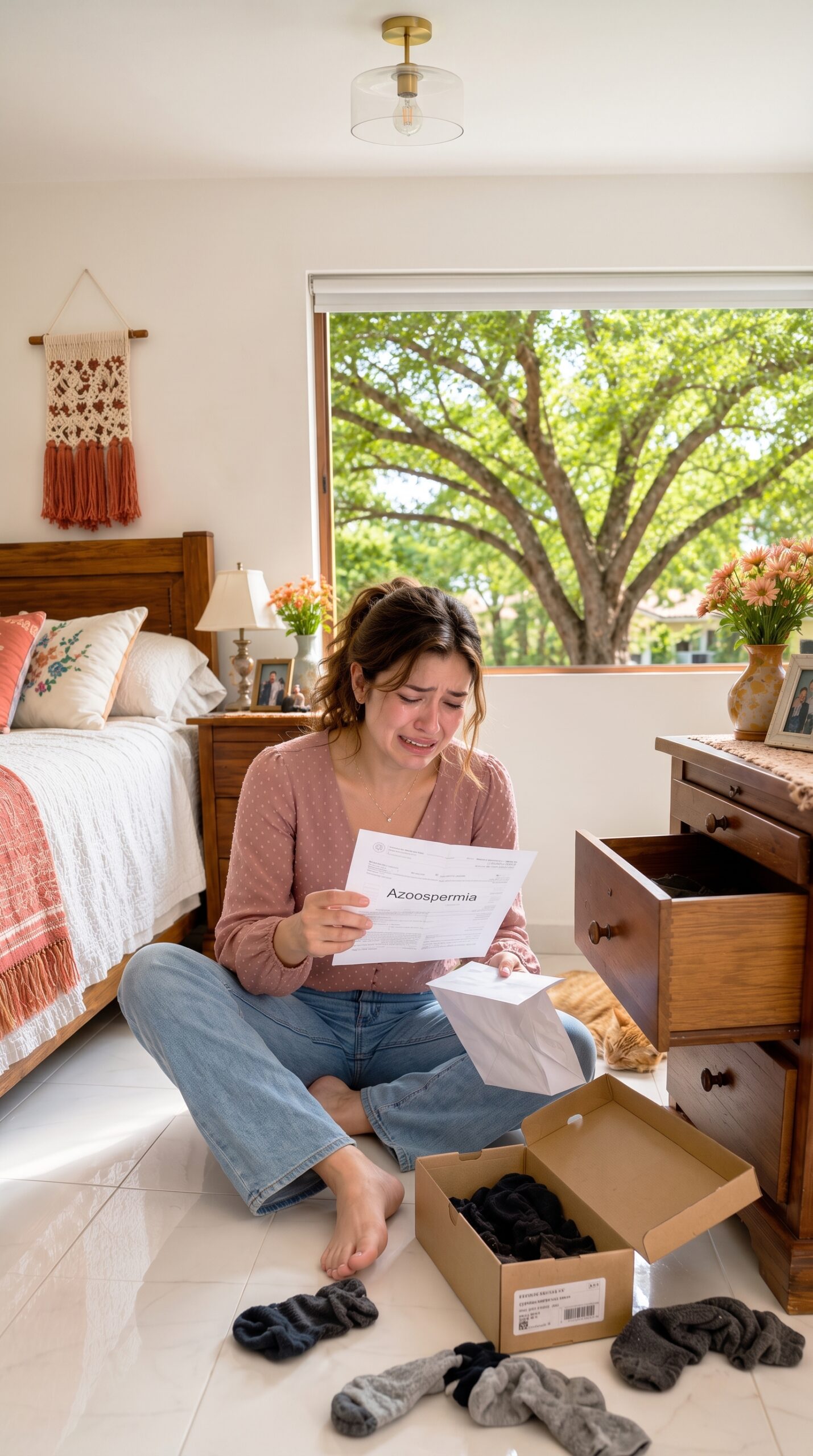
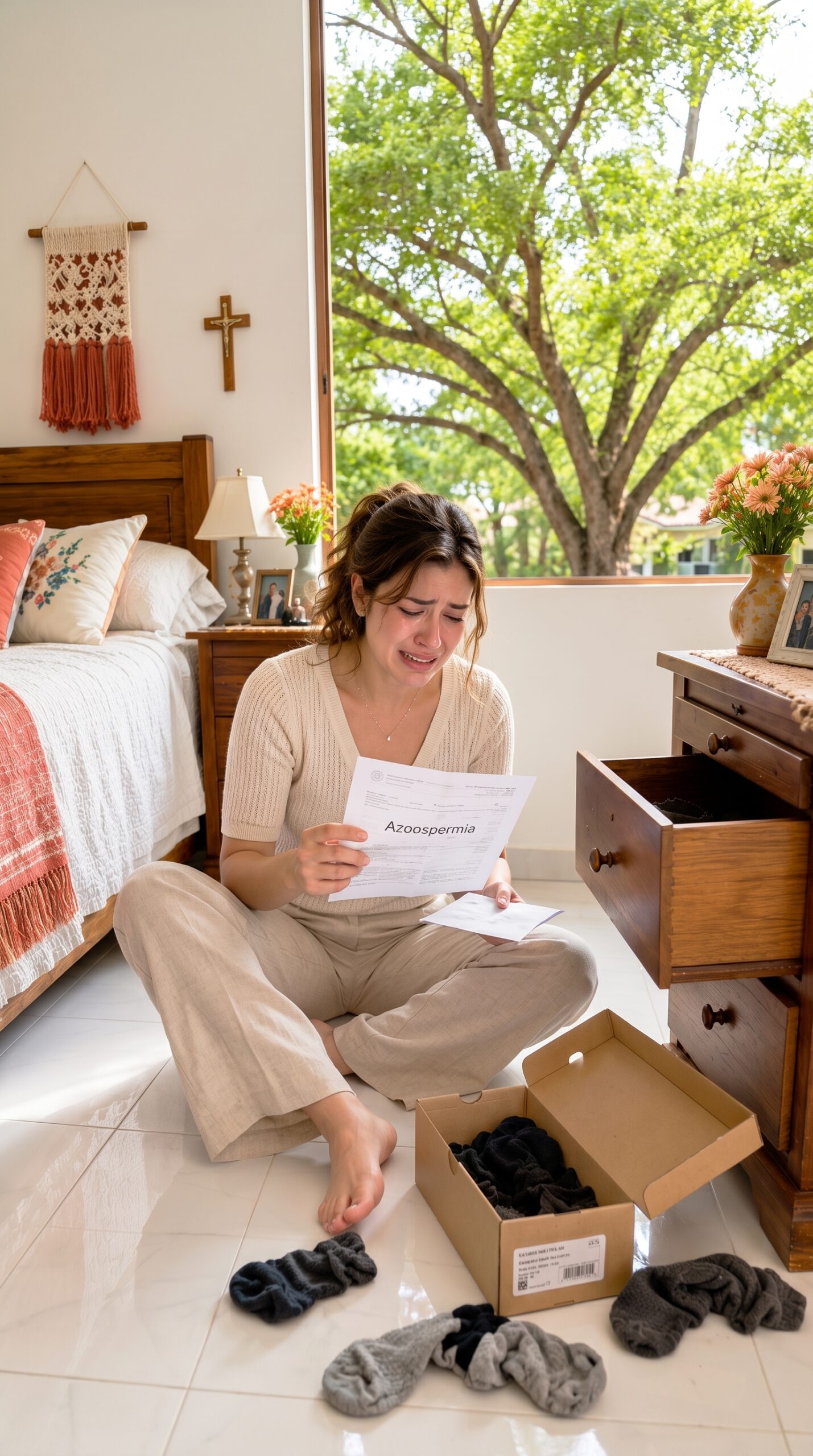
A supposed medical file from Hospital Santa Lucía began circulating with her name: “Mariana Robles, severe congenital infertility.”
“Now it makes sense why they changed her.”
“A woman like that can’t give heirs to a big family.”
“Sure she was after the money.”
That night, Diego arrived at Mariana’s apartment in Colonia Juárez with flowers and a rehearsed guilt.
—I had to protect Camila. You can endure more. She’s dying.
—You falsified a medical file.
—Oh, Mariana, don’t be dramatic. My lawyers can fix anything. I’ll buy you a house in Lomas and deposit whatever you ask. You won’t be my wife in public, but you won’t lack for anything.
She looked at him as if she had finally seen the true man beneath the suit.
—Remember this moment, Diego.
She shut the door.
Then she walked to the study, moved an antique bookshelf, and opened a false wall. Behind it was a black briefcase, a secure laptop, and a satellite phone that nobody in the Arriaga family knew existed.
And when she dialed the secret number, a voice answered with a phrase that would have made Diego tremble if he had heard it.
—Doctor Robles, are you finally returning to Project Quetzal?
PART 2
Mariana didn’t respond immediately.
She looked at the briefcase as one looks at a buried life. For three years, she had pretended to be less than she was. She had hidden diplomas, rejected conferences, and kept quiet at meals where Doña Teresa corrected her clothing, her posture, and even her way of speaking.
The Arriagas believed she was a pretty, educated girl with no power.
They never asked why she knew thermal engineering formulas by heart, spoke of aerospace materials, or disappeared some weekends without explanation.
To them, Mariana was just “Diego’s discreet girlfriend.”
—I’m ready, Doctor Salvatierra —she said on the phone.
On the other end, there was an excited silence.
—The country has been waiting for you for three years. Without you, we couldn’t close the final phase.
Mariana opened the laptop. The screen displayed the Project Quetzal logo, a strategic program of the Government of Mexico of which she had been the scientific director before taking a leave due to a lab accident.
Her identity was protected by national security.
Diego never knew anything because Mariana wanted to love him without making him feel small.
What a cruel irony.
The man who humiliated her because he thought she was worthless was about to discover that she bore a burden much greater than his surname.
The next day, Mariana received the cancellation agreement. Diego’s lawyers demanded that she exit the Arriaga family’s life without claiming anything, keep silent, and accept “personal medical reasons” as the cause for the breakup.
Mariana signed.
Not because she accepted the lie.
She signed because she no longer intended to fight in their mud.
She returned the ring, the jewelry, the cards, the keys to the house she never occupied, and even the dresses that Doña Teresa bought for her to “look less common.”
That afternoon, Doña Teresa arrived with two escorts.
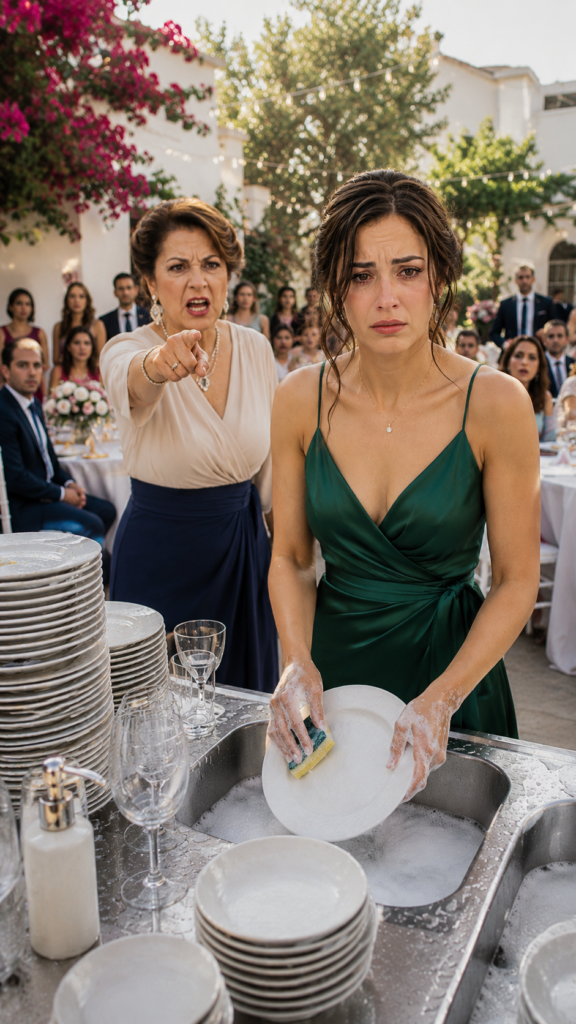
—Sterile woman and still proud —she spat—. Diego could have left you on the street, but he had compassion.
Mariana placed the boxes on the table.
—I’m not recovering gifts, ma’am. I’m collecting evidence of how little your education is worth.
—You will never be part of this family again.
—That’s the first decent gift you’ve given me.
Doña Teresa left trembling with rage.
But Camila was still missing.
Mariana called her from the VIP suite at the hospital, with a weak voice and theatrical tears. She said she wanted to apologize and return the emerald ring that belonged to Diego’s grandmother, the only Arriaga who ever treated Mariana with respect.
Mariana agreed to go.
In the room, the wedding dress hung next to the bed like a trophy. Camila wore pale makeup, an expensive robe, and victim’s eyes.
—I just wanted to fulfill my last dream —she whispered.
Mariana took the ring.
—Your last dream wasn’t to marry, Camila. It was to win something you lost when Diego had no money.
Camila stopped crying for one second.
That second was enough.
Mariana saw fear, yes. But not fear of dying. It was fear of being discovered.
Diego burst in.
—What are you doing here? Isn’t it enough to look bad? Are you here to bother a sick woman too?
Mariana hid the ring.
—One day you will hate this moment more than I do.
—You have nothing, Mariana. Without me, you’re nobody.
She smiled faintly.
—That’s the sad part, Diego. You never knew who you had in front of you.
The night before the wedding, Diego transferred 1 million dollars for her to leave the city and not ruin “the most important event for the family.”
Mariana donated it all to a foundation for Mexican girls studying science in poor communities. In the concept, she wrote: “So that no girl learns to sell her dignity.”
The next morning, while white flowers were being arranged in Reforma and Camila donned the dress that wasn’t hers, three black SUVs arrived for Mariana.
A commander stepped down and greeted her respectfully.
—Doctor Mariana Robles, we’re here to escort you. The Quetzal protocol is active.
She climbed in without looking back.
At 12:08, just as Diego was at the altar, all the phones in the hall began to ring.
It wasn’t a call.
It was a national alert.
The news broke everywhere:
“Mexico announces historic advancement in aerospace technology: Doctor Mariana Robles, scientific director of Project Quetzal, returns.”
Below, Mariana was seen stepping off an official plane, wearing a white lab coat, military escorts, researchers, and officials around her.
Diego grabbed his assistant’s phone. His fingers trembled.
—No… she can’t…
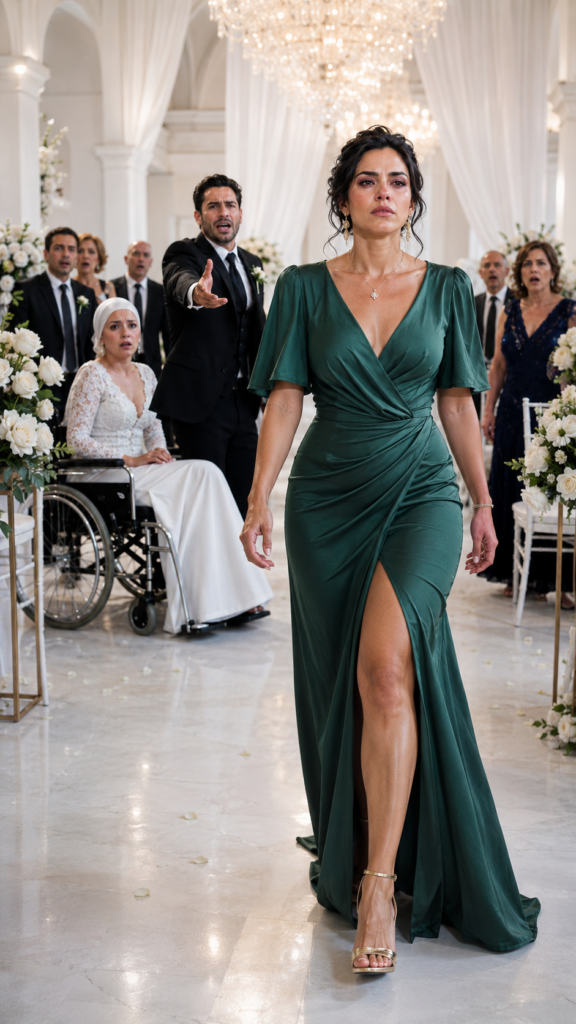
Doña Teresa froze. Diego's father dropped his glass. The journalists who had come to cover a romantic wedding began to broadcast the disaster live.
The report stated something worse: due to the strategic nature of the project, any defamation campaign, manipulation of medical data, or harassment against Doctor Robles would be investigated by federal authorities.
The Arriaga surname shattered right there.
An invited ex-secretary stood up.
—Falsifying a medical file against a protected scientist isn’t rich people’s gossip, Diego. It’s a crime that could sink you.
Camila threw her bouquet.
—You said she was nobody —she whispered—. You said she had no one.
Diego looked at her sharply.
—Is your illness real?
Camila opened her mouth, but nothing came out.
Before she could conjure another tear, two agents from the Prosecutor’s Office entered with a representative from the private hospital. The man requested a microphone.
—The infertility file attributed to Doctor Mariana Robles is false. It never existed in our records. We also found serious inconsistencies in the medical documents presented by Miss Camila Ríos.
Camila covered her face.
—I didn’t want to lose you —she cried—. I said I was terminal because you would never have chosen me without guilt.
The room exploded.
Doña Teresa began to scream. Don Ricardo called his lawyers. Several businessmen exited through a side door. A senator demanded that their photos from the event be erased. The expensive altar turned into a public tribunal.
The wedding wasn’t canceled for love.
It was canceled for shame.
Meanwhile, Mariana entered the underground laboratory of Project Quetzal. The place smelled of clean metal, strong coffee, and sleeplessness. The screens displayed data that hadn’t been closed for three years.
Doctor Salvatierra welcomed her with teary eyes.
—Welcome back, doctor.
For the first time in a long time, Mariana didn’t have to hunch over to avoid bothering anyone. She didn’t have to speak softly. She didn’t have to pretend that choosing flowers was more important than designing materials capable of withstanding extreme temperatures.
—Show me the problem —she said.
For hours, she didn’t check social media. While Diego called 17 times from borrowed phones, she corrected equations. While Camila testified, she reclaimed the place she should never have left.
By evening, an officer approached her.
—Doctor, Diego Arriaga sent a letter. He says he wants to apologize.
Mariana didn’t look up.
—File it.
—He says he loves you.
Then she did look at him.
—The love that appears when power runs out isn’t love. It’s fear.
Days later, everything was confirmed.
The false file of Mariana had been created by a doctor hired through Diego’s legal team intermediaries. Camila’s illness existed, but it wasn’t terminal. It was treatable. She used it to provoke pity, win back Diego, and steal a wedding that wasn’t hers.
Grupo Arriaga lost contracts, partners, and reputation. Doña Teresa offered a public apology with a broken voice. Nobody believed her. Diego published a letter saying he was confused, that he acted under emotional pressure, and that Mariana was “the woman of his life.”
Mariana didn’t respond.
Not out of pride.
Because she no longer owed words to someone who turned her into a lie.
A week later, Project Quetzal completed the final phase. When the material passed the test, the entire laboratory applauded. Mariana closed her eyes and felt peace.
Not the peace of revenge.
The peace of returning to herself.
That night she published a single phrase:
“When someone asks you to give up your dignity to prove love, they are not loving you; they are locking you in a cage with flowers.”
The post was shared thousands of times.
Many women commented that they had been humiliated by a family, by a partner, by a lie, or by a surname that claimed superiority.
Somewhere in Mexico City, Diego read it alone, in a huge house that no longer looked like a mansion, but like punishment.
Maybe then he understood that he didn’t lose Mariana the day he traded her for Camila.
He lost her every time he allowed his mother to trample her.
Every time he confused her silence with permission.
Every time he thought a woman without a famous surname had no story, intelligence, or power.
But he understood too late.
Because there are doors a woman closes while crying.
And there are doors she closes with such calm that not all the money in Mexico can ever reopen them.