PART 1
The tres leches cake sat untouched in the middle of the table.
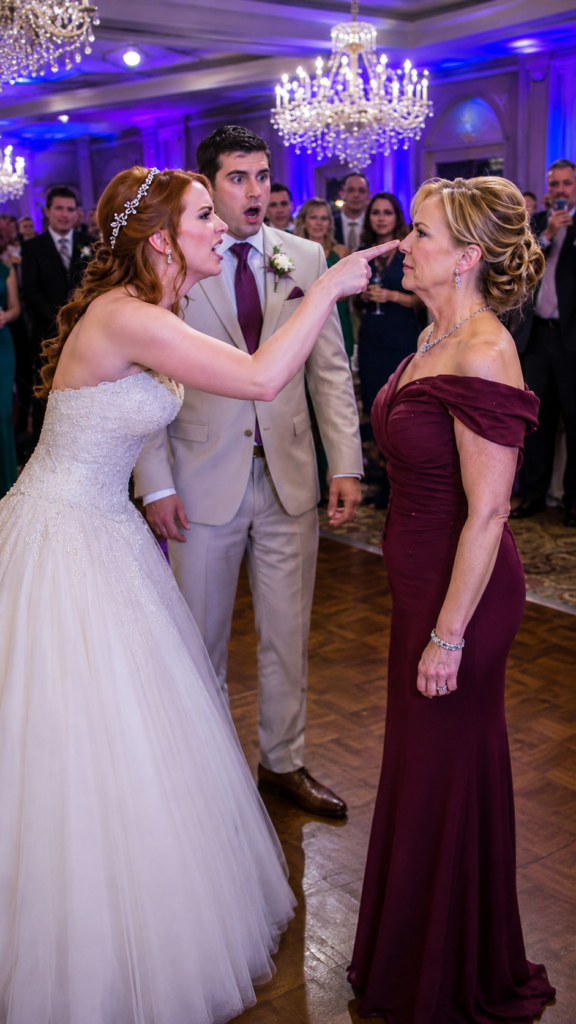
It read "Congratulations, Mariana" in blue frosting, but no one was looking at it. In her parents' house, in the Del Valle neighborhood, they had pulled out the good plates, the fancy glasses, and even the tablecloth that Patricia only used when she wanted to pretend they were a perfect family.
For one hour, Mariana Salcedo believed that night would finally be hers.
At 24, she had been accepted into a Master's program in Applied Data Science at Tec. Out of more than 700 applicants, only 18 were chosen. The email arrived at 6:14 in the morning, and Mariana cried sitting on the floor of her rented room.
Not because she didn’t believe in herself.
She cried because after years of working in a library, giving tutoring sessions, eating instant noodles, and turning down outings to finish projects, she finally had something her family couldn't belittle.
Her father, Ernesto, lifted his glass.
"To Mariana."
She felt a weight in her chest.
Then the door swung open.
"Sorry," Rodrigo said, walking in with his jacket draped over his arm. "You won’t believe the terrible day I had."
Rodrigo was seven years older and the family's official pride. Patricia set her glass down untouched.
"What happened, son?"
Rodrigo glanced at the cake.
"Ah, yes. Your school thing."
Your school thing.
Mariana managed a weak smile.
"The Master's."
"That. Congratulations."
In less than three minutes, Rodrigo was talking about himself.
He recounted how at Grupo Ábaco, the consulting firm where he worked, he had been unjustly denied a promotion. According to him, a colleague named Damián had stolen his ideas, manipulated reports, and left him looking bad in front of a client from Monterrey.
"What a jerk," Patricia said.
"That’s something to fight with lawyers over," Ernesto added.
Mariana lowered her gaze to her plate.
She knew more than Rodrigo imagined.
Three weeks earlier, Damián had contacted her via LinkedIn. He wrote that he was reviewing the origins of a predictive model presented by Rodrigo and that it bore too much resemblance to a university research project of Mariana's.
She hadn’t responded.
Not yet.
"Mariana?" her mother said, dryly.
Mariana looked up.
Rodrigo glared at her.
"I said Damián is sabotaging me."
She took a deep breath.
"That’s not what the internal investigation found, is it?"
The table fell silent.
Rodrigo clenched his jaw.
"Excuse me?"
"You said Human Resources blamed you. If they investigated, they must have found evidence."
"You don’t know anything about my job."
"I know investigations don’t invent themselves."
Patricia struck the plate with her fork.
"Apologize."
"Why?"
"For attacking your brother when he’s going through something difficult."
Mariana stared at the cake bearing her name.
"I just stated a fact."
Ernesto leaned back in his chair. His voice dropped, and that was always worse than a shout.
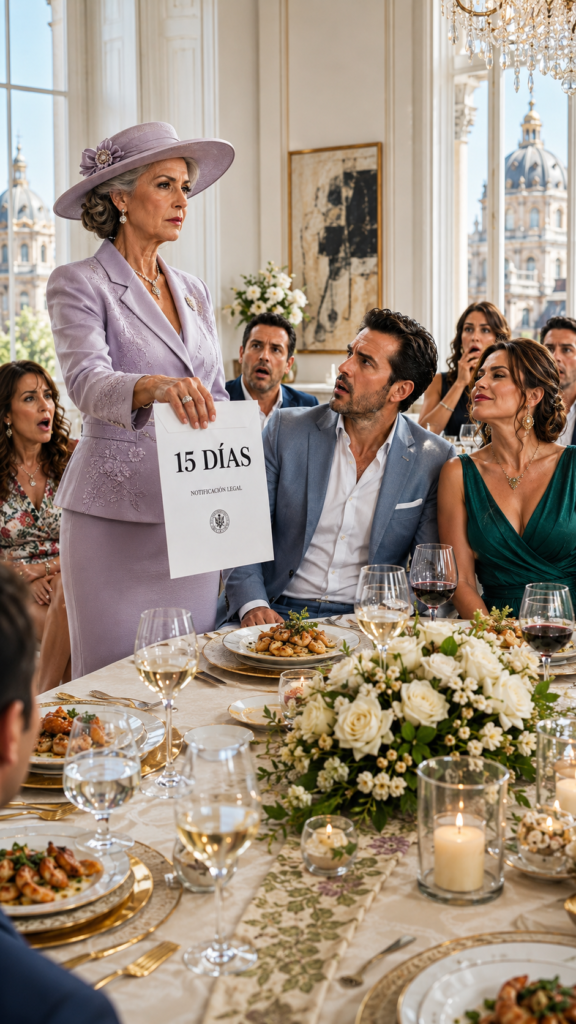
"Your mother and I promised to pay for what your scholarship doesn’t cover. Rent, insurance, remaining tuition. All of that depends on you behaving like part of this family."
Rodrigo smirked.
Ernesto continued:
"You will apologize to your brother before dinner is over. If not, that support is canceled tonight."
Mariana looked at her mother, then at her father, then at Rodrigo’s smug face.
They expected tears.
They expected pleas.
They expected the same Mariana, the one who shrank so Rodrigo could shine.
She folded the napkin and left it next to her plate.
"Fine," she said.
Rodrigo's smile vanished.
No one understood what Mariana had just accepted, but before the sun rose, he would be begging.
PART 2
Mariana ascended without touching the cake.
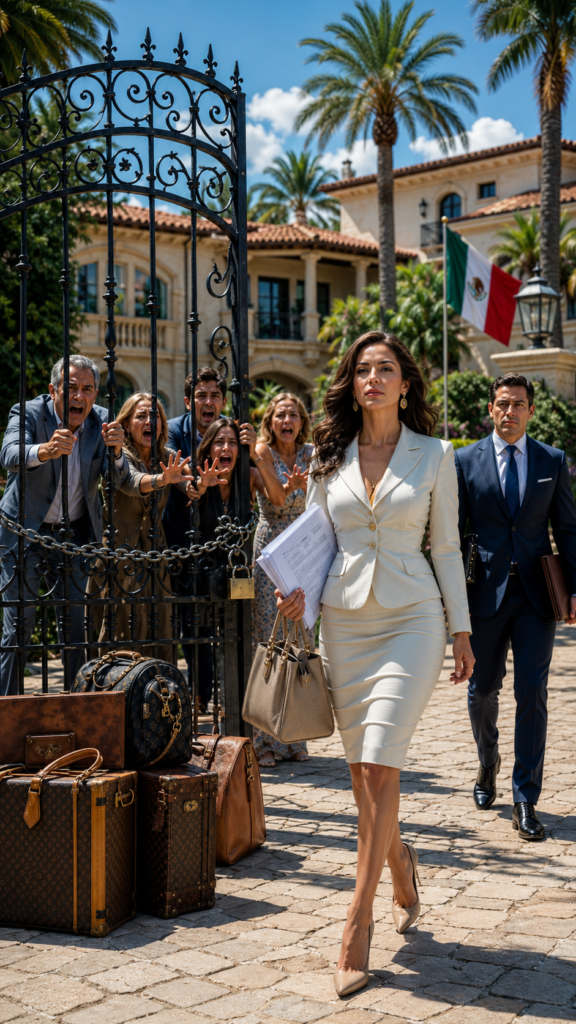
Downstairs, Patricia called her with that tone of the offended victim that the whole family knew. Mariana didn’t answer. She entered her old room, locked the door, and pulled a suitcase from under the bed.
Her hands didn't tremble.
That surprised her.
She always thought leaving that house would be a scandal: screams, tears, slamming doors. But she simply folded clothes, stored documents, packed books into a box, and wrapped the broken mug her grandmother had given her before she died in a t-shirt.
The mug read: "Curiosity is also bravery."
At the back of the closet was a red folder.
Mariana sat on the bed with it on her lap.
For six months, that folder had been her safety net. She had kept emails, odd accesses to her cloud, screenshots of Rodrigo's presentations, original versions of her research, and photos of printed pages he left at home as if nothing were wrong.
It all started at Christmas.
Rodrigo cornered her by the sink while everyone else watched football.
"What’s your project about?"
Mariana explained that her team was developing a model to help hospitals predict shortages of staff, equipment, and medications using climate, traffic, shifts, and historical data.
Rodrigo's eyes lit up.
"Would that work for businesses?"
"Maybe, but it wasn’t designed for that."
"Send me a summary."
"No."
He laughed.
"I’m not going to steal your homework, sis."
Three weeks later, he borrowed her laptop "because his battery died."
Two months later, Ernesto bragged that Rodrigo had created "an impressive predictive system" for important clients.
When Mariana asked what they were talking about, the room grew tense.
Rodrigo merely said:
"Consulting stuff. You wouldn’t understand the commercial side."
That night, Mariana began collecting evidence.
Now she opened the red folder.
At the top was a slide from Rodrigo presented in Santa Fe. The title read: "Adaptive Resource Forecasting Using Behavioral Load Indicators."
Her original proposal read: "Adaptive Hospital Resource Forecasting Using Behavioral and Environmental Load Indicators."
Rodrigo hadn’t even changed the order of the words.
Her phone vibrated.
It was Ernesto:
"You have ten minutes to come down and apologize before I make calls."
Mariana read it twice.
Then she opened her banking app.
The account where she had kept her savings had been linked to her parents' account since she was 16. She transferred everything to an independent account she opened in October.
Then she changed her passwords.
Email. Cloud. University portal. Phone. Health insurance.
Another message arrived.
"Last warning."
Mariana turned off her phone.
At 1:12 a.m., she opened an email she had been preparing for weeks. The recipients were already typed: Damián, Rodrigo's boss, the legal department of Grupo Ábaco, her academic advisor, and two officials from Tec in charge of intellectual property.
The email contained no insults.
Just dates, files, links, screenshots, original versions, messages where Rodrigo requested documents, and a table with 27 identical fragments and 9 copied diagrams.
The last recipient was Dr. Valeria Herrera, the director of the graduate scholarship.
That name scared her.
Sending the evidence could save her job.
It could also land her in a scandal before starting her Master's.
Downstairs, Rodrigo said loudly:
"Leave her. Let her learn."
Something inside Mariana froze.
At 2:58 a.m., she pressed "send."
There were no thunderclaps or sirens.
Just the boiler sounding in the wall and a distant dog barking.
At 4:10, the first response from Damián arrived:
"Thank you. This confirms what we suspected. Don’t delete anything. Legal will contact you in the morning."
Eleven minutes later, Dr. Valeria replied:
"Mariana, I believe you. There may be more serious implications than you imagine."
Mariana read that sentence until the letters blurred.
Rodrigo hadn’t just copied ideas.
He had used her research in paid projects.
At 5:42, her friend Ana wrote:
"I’m outside."
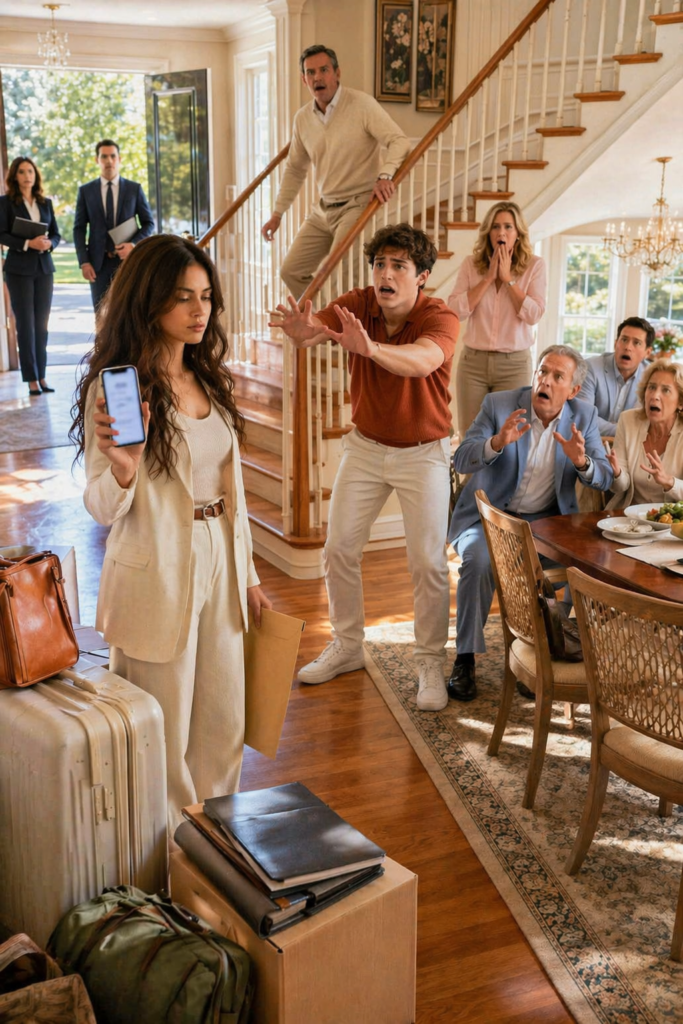
Mariana loaded the first suitcase. As she descended, she found Ernesto in the kitchen, in his robe, coffee in hand, looking like a weary judge.
"What are you doing?"
"I’m leaving."
"It’s 6 in the morning."
"I know."
"Take that back upstairs."
"No."
Before Ernesto could respond, Rodrigo came rushing down. He was still in the shirt he wore the night before, barefoot, pale, and with his phone in hand.
He didn't look angry.
He looked terrified.
"Mariana," he said.
Ernesto frowned.
"Now what?"
Rodrigo swallowed hard.
"Check your email."
"I already did," she replied.
The color drained from his face.
"Please tell me you didn’t send it."
Ernesto let out a confused laugh.
"Send what?"
Rodrigo's phone vibrated. On the screen appeared: "LEGAL ÁBACO."
Rodrigo rejected the call.
It rang again.
Patricia came down tying her robe.
"Why are you all awake?"
Rodrigo stepped closer to Mariana.
"You have to write to them and say it was a mistake."
"It wasn’t a mistake."
"You don’t know what you did."
"I know exactly what I sent."
Then the house phone rang.
Patricia answered.
"Hello?"
She listened for five seconds. She looked at Rodrigo.
"Yes, I’m his mother."
Rodrigo snatched the phone.
Everyone heard the voice on the other end.
"Mr. Salcedo, this is Laura Méndez from the legal department of Grupo Ábaco. You must preserve all your devices. Do not delete, alter, or access files without authorization."
Rodrigo lost his breath.
Ernesto's smile vanished.
He stared at his son.
"What did you send?"
Rodrigo hung up.
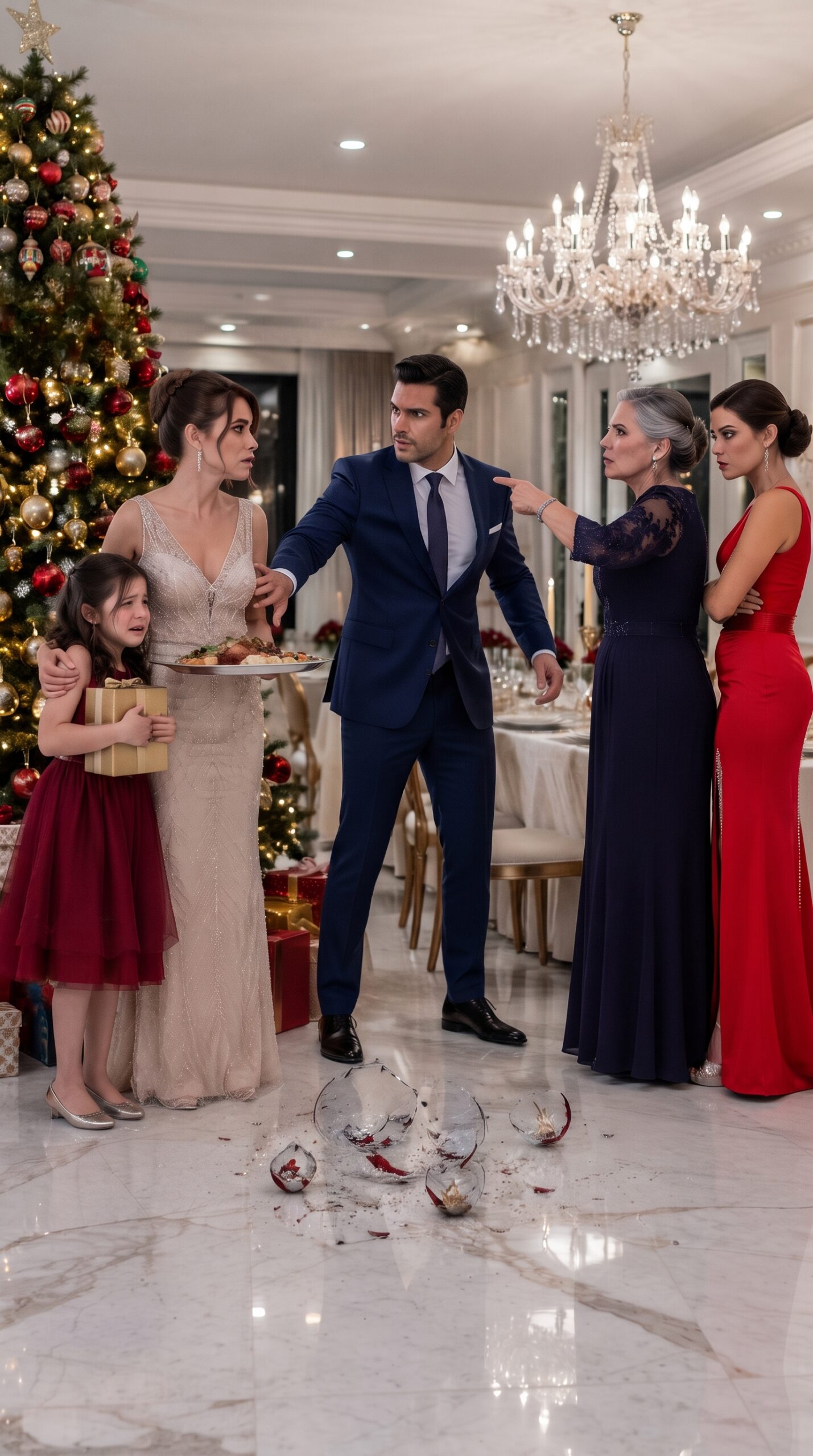
Then everything exploded.
Patricia was asking what was happening. Ernesto demanded to see the phone. Rodrigo accused Mariana of destroying it. Ana knocked on the door to help with the boxes.
Rodrigo blocked the entrance.
"You’re not leaving until this is fixed."
"Get out of the way."
"What did you tell them?"
"The truth."
"Your version."
"I sent original files, dates, and emails."
Patricia interjected:
"What emails?"
Rodrigo glanced sideways at his mother.
It was less than one second.
But Mariana saw it.
So did Ernesto.
"Patricia," he said slowly. "What did you do?"
She tightened her robe.
"Don’t start."
Mariana felt her stomach tighten.
She remembered an odd access to her cloud in January, from her parents' house, while she was on campus. She thought it was an old tablet synced up.
Maybe not.
"Mom," Mariana asked, "did you access my computer during the holidays?"
"Of course not."
"Did you give Rodrigo my files?"
"No."
Rodrigo looked down at the floor.
Ernesto noticed.
"What did you give him?"
Patricia took a deep breath.
"I sent him a folder."
The air left Mariana's chest.
"Which folder?"
"The blue one," Patricia said. "You’d already finished the project, and your brother needed material. Siblings are supposed to help each other."
Mariana couldn’t speak.
The blue folder didn’t hold an old assignment.
It contained the unpublished model, data-sharing agreements, comments from her advisor, and all the drafts that Rodrigo later presented as his own.
Patricia not only defended the theft.
She handed over the key.
Ana opened the door with the copy Mariana had given her years ago.
"Ready?"
Ernesto looked at Rodrigo.
"Move."
Rodrigo complied, furious.
As they loaded boxes into the car, Rodrigo's phone rang again. This time he answered.
His boss’s voice rang out loud.
"You are suspended immediately. Your access to the building is revoked. Do not contact clients or employees except through a lawyer."
"This is a family dispute," Rodrigo said.
"No. This involves falsified intellectual property, altered records, and possible breaches with clients."
Ernesto sat down heavily.
The voice continued:
"We also found that you submitted the model for the National Innovation Award under your name. The committee has already been notified."
Patricia covered her mouth.
That award came with a conference, a magazine feature, and 50,000 pesos for professional development. Her parents had framed Rodrigo's letter and hung it in the living room.
Mariana's recognition remained tucked away in a drawer.
Rodrigo grabbed his sister's arm.
"You’re going to say we collaborated."
Mariana stared at his fingers on her jacket.
"Let go of me."
"You owe me that."
Ernesto pushed him away.
"Don’t touch your sister."
Rodrigo let out a bitter laugh.
"Now she’s your daughter?"
The phrase hit everyone.
The worst part was that no one denied it.
Mariana left at 6:38 a.m.
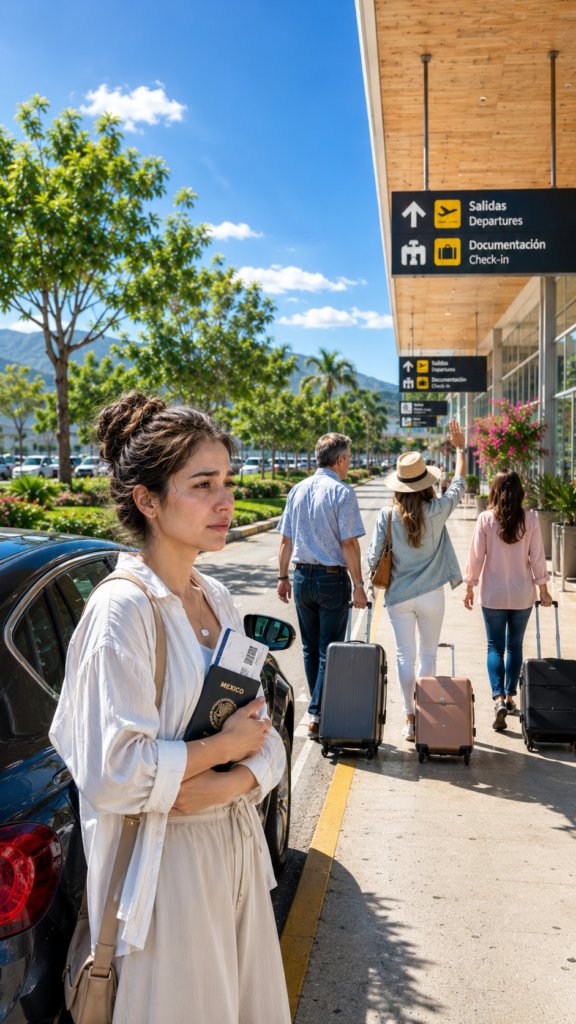
In Ana's car, surrounded by boxes, she didn't feel triumphant. She felt an enormous void.
At 7:56, an automatic email from the payment system arrived.
"Your scheduled payment has been canceled by the account holder."
Ernesto did it four minutes before his own threat.
At 8:30, Dr. Valeria requested a video call.
"First, your admission is not at risk. Second, the university will support your authorship. We have servers, drafts, and testimonies."
Mariana let out her breath.
"My mom sent the files."
The doctor removed her glasses.
"Without your permission."
"Yes."
"That matters."
Then she added:
"I heard your family withdrew financial support. There is a research assistant position available. It includes full tuition, insurance, and a stipend."
Mariana was speechless.
"Are you offering it to me?"
"I’m inviting you for an interview. Today."
By 2:17 p.m., Mariana had a conditional offer that covered everything.
But that afternoon, her aunt Lourdes wrote:
"Your parents say you fabricated evidence because you envy Rodrigo. Call me before the whole family turns against you."
Mariana didn't scream.
She uploaded three files to the family chat: her summary dated 14 months earlier, the email where Rodrigo requested the complete model, and her response refusing.
She wrote a single phrase:
"I am confident, calm, and can show evidence to anyone who prefers facts over a convenient version."
Then she silenced the chat.
The next day, Ernesto asked to meet her at a café.
He arrived with a thick envelope.
"There’s something else," he said.
Mariana didn’t hug him.
The envelope contained bank statements.
Her grandmother had opened an educational account when Mariana was born. It should have held over 70,000 pesos with interest and contributions.
The final balance was 312 pesos.
Withdrawals had started five years earlier.
Rodrigo's debts.
Rodrigo's credit card.
Rodrigo's car down payment.
Rodrigo's expensive apartment rent.
Each line was a blow.
"I was told that money was waiting."
"We were going to replenish it," Ernesto murmured.
"When?"
He didn’t answer.
Mariana understood.
They had threatened her with taking away money that had already been taken.
"Did Rodrigo know?"
Ernesto took too long to respond.
"Yes."
"And yesterday, he sat at the table while you pretended you could cancel my future."
"I thought we had replenished it."
"But you didn’t."
"No."
Then Ernesto lowered his voice.
"If you say there was informal permission, I can apply for a loan and pay your first year."
Mariana looked at him as if she finally saw him whole.
He still thought her truth had a price.
"No."
"Your brother could lose everything."
"He chose that."
"You’re breaking the family."
Mariana stood up.
"No. I’m the first one to stop holding it up alone."
As she was leaving, the university lawyer called.
They had found documents sent to Grupo Ábaco with an electronic signature of hers.
Mariana had never signed them.
One authorized Rodrigo to adapt her research. Another presented her as an external collaborator without pay. The third named her a technical consultant to a network of hospitals.
The signature resembled hers, but the final stroke was wrong.
Rodrigo copied the form, not the hand.
Then they found something worse: an email sent from Mariana's account on January 3 at 11:42 p.m.
It stated that Rodrigo could use everything from the blue folder without giving her credit.
At that hour, Mariana was on a bus headed to Querétaro, with a dead phone.
Security tracked the access.
It came from Patricia's computer.
Mariana called her.
"Did you send an email from my account?"
Silence.
"Rodrigo said it was a formality," Patricia whispered. "Your password was saved."
"You impersonated me."
"Don’t make it sound so bad."
"How do you want it to sound?"
"I just wanted to help your brother. You were heading to academia. He was building a real career."
A real career.
There lay the whole truth.
Rodrigo deserved more because he did less.
Mariana deserved less because she always survived.
"Tell the investigators the truth," Mariana said. "Voluntarily. Or they will see the records."
"Would you do that to your mother?"
"You did it to your daughter."
Patricia cried.
This time, Mariana didn’t run to console her.
One week later, Rodrigo was fired. The award was revoked. Two contracts were suspended. Grupo Ábaco negotiated with the university and the affected clients. Mariana kept her scholarship, her position, and her name on the corrected documents.
Months later, her aunt Lourdes revealed the last secret.
Rodrigo had already been accused of plagiarism at a previous university. Her parents pulled him out before the disciplinary hearing and told everyone that "school wasn’t for him."
Mariana’s grandmother knew.
That’s why she left the educational fund for her.
But they didn’t even respect that.
When Patricia and Ernesto asked to talk, Mariana agreed with three conditions: Rodrigo wouldn't be there, no one would ask her to retract, and she could leave whenever she wanted.
In Lourdes's room, Ernesto finally said:
"I knew Rodrigo couldn’t explain that model."
Mariana stared at him.
"But you bragged about it."
He lowered his head.
Patricia was crying with a crumpled handkerchief.
"We wanted to believe he had changed."
"And when you saw he hadn’t, you were scared for him," Mariana said. "Never for me."
Ernesto took a while but replied:
"Not enough for you."
The phrase came years too late.
It fixed nothing.
Mariana requested distance. No daily calls. No visits to campus. No telling the family she was confused, crazy, or cruel. No using apologies as a ticket back.
"Can we go to your graduation?" Patricia asked.
"No."
The word hurt.
Mariana let it hurt.
The Master's program began in September.
Her room was small, with a window facing a wall and pipes that made noise at 6 in the morning. But everything there was hers. Her grandmother's broken mug was next to the coffee maker. The red folder was no longer a secret weapon, but a reminder of the night she decided to believe in herself.
Two years later, Mariana crossed the stage in a black gown and a silver brooch from her grandmother around her neck.
In the front row were Ana, her aunt Lourdes, and three lab mates.
Her parents weren’t there.
Rodrigo wasn’t either.
As she exited, she received a message from an unknown number.
It was Rodrigo.
"I heard you graduated. I guess you got everything you wanted."
Mariana looked at the people waiting for her in the rain with yellow flowers.
A year before, that message would have destroyed her.
Now it only gave her certainty.
She blocked the number.
Before moving to Guadalajara for her new job at a research institute, she visited her grandmother's grave. She cleaned the leaves from the tombstone, placed the cap on her knees, and said quietly:
"I did it."
There was no miraculous sign.
Just wind, wet earth, and birds in the trees.
That was enough.
The night her parents threatened to take away her education, they thought they were stripping her of her options.
They were wrong.
They stripped her of the last excuse to remain silent.
By dawn, her room was packed, the evidence sent, and the future they used to control her no longer belonged to them.
Mariana never asked for forgiveness again for refusing to disappear so someone else could shine.